Demystifying Swiss Christmas

Sarah recently wrote about our town and the approaching holidays, including an interaction between our children and Switzerland’s beloved Samichlaus. If you are anything like me, though, you may have eyed the darkly-clad mysterious figure next to Samichlaus and thought to yourself, “Who in the name of Yukon Cornelius is this baffling Christmas character?” It turns out that while America has imported and adapted the figure of Santa Claus for our Christmas season, we have largely abandoned the concept of his “Companions” that is so prevalent throughout Europe.
Schmutzli
Schmutzli

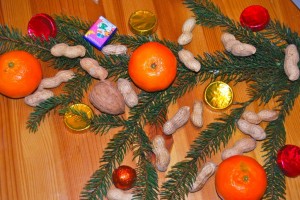
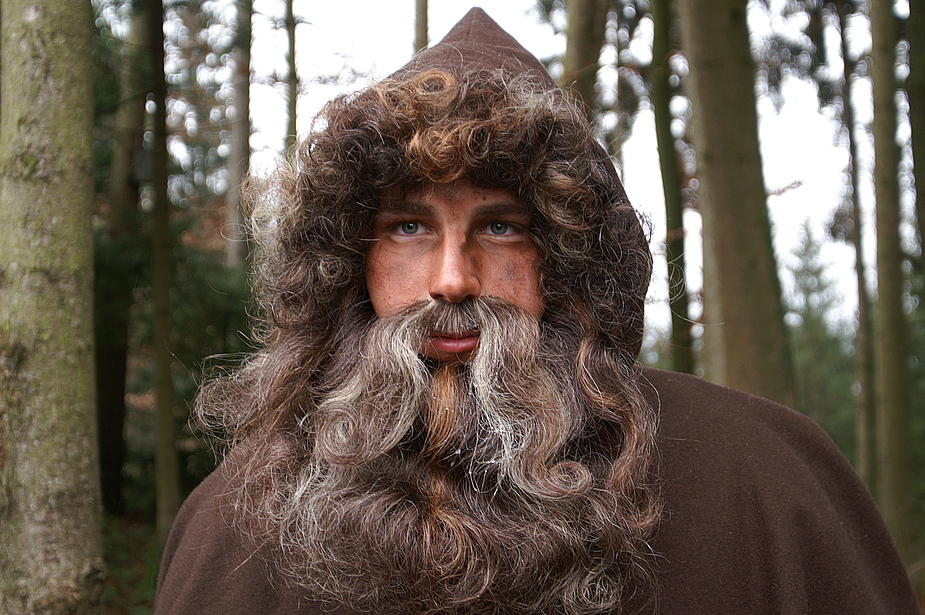
The mysterious dark figure that accompanies Samichlaus is none other than Schmutzli (or Père Fouettard in the French speaking regions), and he is Father Christmas’ answer to Corporal Punishment. Or at least, he used to be. While it was Samichlaus who loved children and brought them gifts of candy, nuts, and mandarins, Schmutzli was known to punish the naughty children by whipping them with a switch from his broom. His relationship to Samichlaus is not really well understood, but now he has become a more benevolent helper, passing out candy, nuts, and mandarins to children who recite poems or sing songs.

While Santa Claus lives in the North Pole, Samichlaus and Schmutzli live together in a hut (with a presumably Platonic relationship) in Germany’s Black Forest. One story I have heard is that Schmutzli was a poor woodcutter who “saved Christmas” one year. Samichlaus’ bag of treats had ripped open, and Schmutzli walked around with his own sack gathering up the fallen treats. Samichlaus was so grateful when Schmutzli brought him back all of the treats that he invited Schmutzli to accompany him on his journey to children’s houses. How, or when, it was decided that Schmutzli would get to beat the bad children (or stuff them in his sack), is less clear.

While the name Schmutzli uniquely belongs to Switzerland, European versions of St. Nick have traveled with other, similar Companions for centuries. He goes by many names and faces: Knecht Ruprecht (Rupert the Farmhand), Zwarte Piet (Black Peter), Krampus, Belsnickel, Bellzebub, and more. They all seem to have the same philosophy in common: they bring fear and retribution along with the kindness of St. Nick. They are the negative reinforcement to Santa’s positive reinforcement. (NPR recently did a story about the Krampus from the European Alpine folklore, if you are interested.)

SBB (The Swiss Rail System) use Samichlaus and Schmutzli to show you how to use paper and e-tickets.

Samichlaus and Schmutzli have their big night on December 6th, when they make the rounds visiting houses and leaving treats. On December 25th, however, presents are left for children by the Christkind or Christ child. Similar to our Santa Claus, the Christkind won’t leave presents while children are still awake (or at least not while they are in the room). Kids are sent to bed, or to hide in the basement while the Christkind leaves presents, and then the children are summoned back to the main room in hopes that they will get a glimpse of the Christkind before he flies out the door. Alas, he is still rarely seen.

David Sedaris summed up his reaction to the Dutch Christmas story, and how it contrasted with our American story, nicely (for full text, read the entire piece in Esquire here, or hear David Sedaris read it here – it is well worth the 15 minutes):

While eight flying reindeer are a hard pill to swallow, our Christmas story remains relatively simple. Santa lives with his wife in a remote polar village and spends one night a year traveling around the world. If you’re bad, he leaves you coal. If you’re good and live in America, he’ll give you just about anything you want. We tell our children to be good and send them off to bed, where they lie awake, anticipating their great bounty. A Dutch parent has a decidedly hairier story to relate, telling his children, “Listen, you might want to pack a few of your things together before you go to bed. The former bishop from Turkey will be coming along with six to eight black men. They might put some candy in your shoes, they might stuff you in a sack and take you to Spain, or they might just pretend to kick you. We don’t know for sure, but we want you to be prepared.”

Christmas is in the Air

My gift packages have been sent, our Christmas picture has been taken, and we’ve watched several Christmas specials on TV. Our decorations are up, minimal though they may be. But, this year we are adding some new experiences to our Christmas season.

First, I have seen my first real holly tree. They are very common here for landscaping. I even snipped a few sprigs for my advent wreath and decorations. Did you know that holly leaves are extremely sharp? The prickers on each point of the leaves are like needles. Ouch! You can see a whole holly tree in our Christmas season photo gallery.

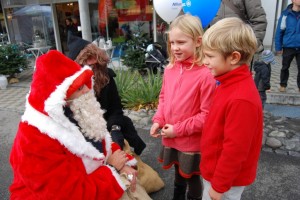
On Sunday, our town of Münsingen had a Weihnachtsmarkt or Christmas market. The streets were filled with with stands selling homemade trinkets, baked goods, and other seasonal items. I finally had my first glass of glühwein. Samichlaus (the Swiss Santa Claus) and his sidekick Schmutzli were walking the streets handing out the traditional gifts of nuts, clementines, and chocolates to any children who do a little song or poem for him. Unaware of this requirement, Emily and James approached him in hopes of free loot, but found themselves singing “Jingle Bells” in front of a crowd of onlookers.

Yesterday, December 6th, was St. Nicholas Day, which is an important part of the Christmas season in Switzerland. As usual, we did it wrong. I grew up with St. Nicholas coming on the night of December 5th and filling our stockings. We don’t have stockings, so the kids left out their shoes (actually they left their rain boots, reasoning that they are bigger and would fit more stuff!). They woke up on the morning of the 6th to find them filled with little treats. But, in Switzerland, St. Nick doesn’t come until the evening of the 6th. Oops. During the day, he visited the schools where both Emily and James received a bag of nuts, chocolates, and clementines. Then, he visits family celebrations in the evening.

I went to choir practice that night, and we sang a beautiful arrangement of “Stille Nacht” as well as other pieces we are preparing for the Christmas service. I was surprised to see tables of – that’s right – clementines, nuts and chocolates, as well as tea, wine, and home made treats. We ended our practice a little early and sat down to share some holiday gemütlichkeit.

The Christmas spirit is definitely in the unseasonably warm air. Now, if only the rain outside would turn to snow…

It’s the Little Things – Calendars and Garbage

Today was just another normal day for us in Switzerland. In many ways, our life here is similar to what it was in America – kids go to school, Joe goes to work, there is housework, playdates, homework, shopping. And yet, there are so many little ways in which it is different. And when all the little differences are added up, it gives a picture of what it means to live in another culture and country. So, this is the first of an occasional series I call “It’s the Little Things” that will highlight some of the ways things are different here.

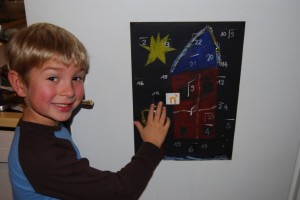
Advent Calendars – I’ve seen Advent calendars in America. In fact, we have one that has 24 felt characters that go onto a manger scene. But, here, Advent calendars are everywhere. Counting down from December 1st to the 24th is an important part of the Christmas season. The Brumanns, our friends from Basel, sent each of our kids an Advent calendar with paper doors that open to reveal pictures. They said their children used to have them every year and always looked forward to opening the doors. I didn’t think opening little one-inch square doors to see a picture would be that exciting, but my kids love them! They can hardly wait to open the next door. James also made another one at school with his own pictures behind each of the doors. Since today was December 1st, the kids finally got to open the first doors, and for the next 23 days, they will giddily open four doors on our Advent calendars, just like Swiss children have done for generations.

At school, the kids also have a form of an Advent calendar. There are small gifts for every school day between now and Christmas, and every day they pick the name of a student out of a bag. The lucky child gets to select a gift to open and keep.

Garbage – I know, I know… who wants to read about garbage?! But, I actually think the handling of garbage is a window into cultural values.

There are 7 categories of garbage here: plastic recyclables, paper recyclables, other recyclables, yard waste, compostable garbage, bread, and everything else. Regular garbage goes into specific mandatory municipal garbage bags that are available at the store, and are priced not just for the bags themselves, but for the volume of garbage they hold. Since garbage collection is not paid for entirely by taxes here, this is one of the ways they cover the costs while encouraging people to limit their waste.

Limiting waste is important here, and there are many ways people do this, but my favorite involves old bread. We’ve mentioned before that nearly all the bread is fresh bakery bread that only lasts for about 36 hours, which not only means that we have to buy bread just about every day, but it also means there can be a lot of rock hard bread crusts and end pieces left over. Interestingly, the bread does not mold, it just gets hard. Our landlady gave us specific instructions about what to do with all of our bread scraps: “feed them to the ducks.” So, about once a week, we go on an expedition looking for ducks on one of the creeks near our house. And today we hit the jackpot! While Emily was at school in the afternoon, James and Henry and I found about 40 ducks eager to eat our bread crumbs. So eager they were even jumping up on the steps where we were sitting. A couple times, they snatched pieces right out of James’s hands. It was the highlight of our afternoon. (Meanwhile, I gave Emily 4 Swiss Francs, and on her way home from school, she stopped in the local family-run butcher shop/market and bought a loaf of bread to bring home. I love that my 7-year-old can do that!)

There are no garbage disposals here, but throwing biodegradable food waste in the garbage is not ideal. Many people, including us, put food waste into a compost bin. Ours is outside next to our garden. Any outdoor waste that is too big for the compost bin goes in the green plastic garbage container for industrial compost that gets picked up occasionally, though I haven’t figured out exactly when. My goal has always been to fill the green container every time, as there is a lot of pruning and weeding that goes on to maintain the extensive gardens here.

In order to recycle things like glass, metal, batteries, etc. we have to haul it (by bike, of course) to a recycling station about 4 blocks from our house and sort it into the appropriate materials and colors. Plastic bottles go to a different recycling station by the grocery store. Paper must be tied up with string or put in paper bags and put out at the curb every other Monday.

Joe tells me that the the Inselspital where he works burns all of its garbage in a special
incinerator that generates power back to the hospital. No waste there!

The fact that these systems work so well here, especially the recycling and required garbage bags, is a testament to Swiss reliability, morality, and environmental consciousness. When they are told to do something, they do it. And for now, so do we.

The Infamous Onion Market

The Bern Onion Market or Zwiebelmarkt is infamous, at least in this area of Switzerland. Of course, we had never heard of it, but we had been told we had to check it out. I wasn’t exactly sure what could be so great about an onion market that takes place on a Monday from 6am – 6pm. But, I packed up the boys, picked Emily up at school and headed to the train station.

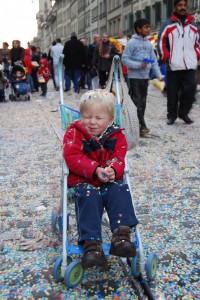
As the kids and I got off the train in Bern, we noticed confetti all over the floor of the platform, and throughout the train station. When we stepped off the escalator into the streets of Bern, they were covered with confetti as far as I could see. I was still taking it in and trying to figure out which way to go when a total stranger came up and threw confetti all over us. Once we were covered, we started to join in the fun, scooping confetti off the street and throwing it at each other, and anyone else who seemed willing. (Though we later learned that using street confetti is frowned upon, and we bought a bag of fresh confetti).

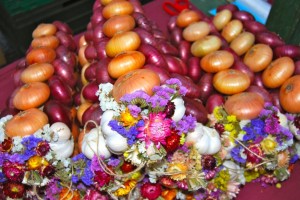
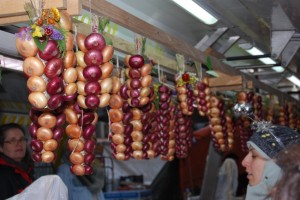
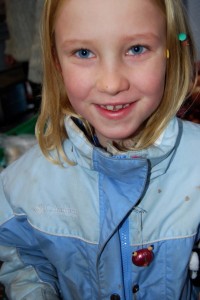
The market itself consists of thousands of stands throughout the streets of Bern’s old town. The majority of them sell — you guessed it — onions. But not just any old onions. Perfectly proportioned yellow and red onions that have been tied together with dried flowers into hanging decorations. They come in any size you could want, from tiny ones made with the smallest bulbs to huge ones hanging over 5 feet tall. Some were made into wreaths. The kids even got little onion pins.

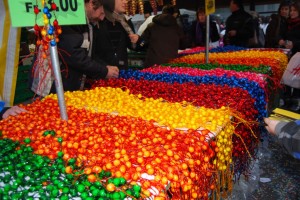
Besides onions, you could also buy necklaces made out of breath mints wrapped in colorful plastic wrap, festival items like confetti and squeaky hammers, seasonal baked goods like magenbrot, and food stands selling onion cakes and glühwein (Swiss mulled wine), among many other things. Emily opted for a blue mint necklace, while James chose a confetti gun, and of course I had to buy a small bunch of onions.

The streets were crammed with people, and we walked around getting bonked with toy hammers and covered in confetti. It is said that this is the one day when Bern, a city that is thought of as reserved and a little uptight, lets off some steam and goes a little crazy. I realized it would be too difficult to try to eat downtown with all the crowds and three young kids, so we made our way back to the train station and headed home for dinner.

When it was time for bed, and I was getting Henry into his pajamas, I took off his diaper and it was filled with confetti! We did our best to shake off as much as we could, but it keeps turning up in pockets, purses, hoods. We can now say that we have experienced the phenomenon that is the Berner Zwiebelmarkt.

Thankful

There is no Thanksgiving in Switzerland. I knew that intellectually, but it is so strange to live somewhere that is completely oblivious to the fact that millions of people in America are traveling, gathering together, eating turkey, and watching football. At least for Halloween, there was some acknowledgement of its existence. But, Thanksgiving is literally unknown here. Nonetheless, we managed to have a very nice day with many Swiss modifications.

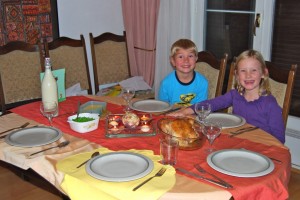
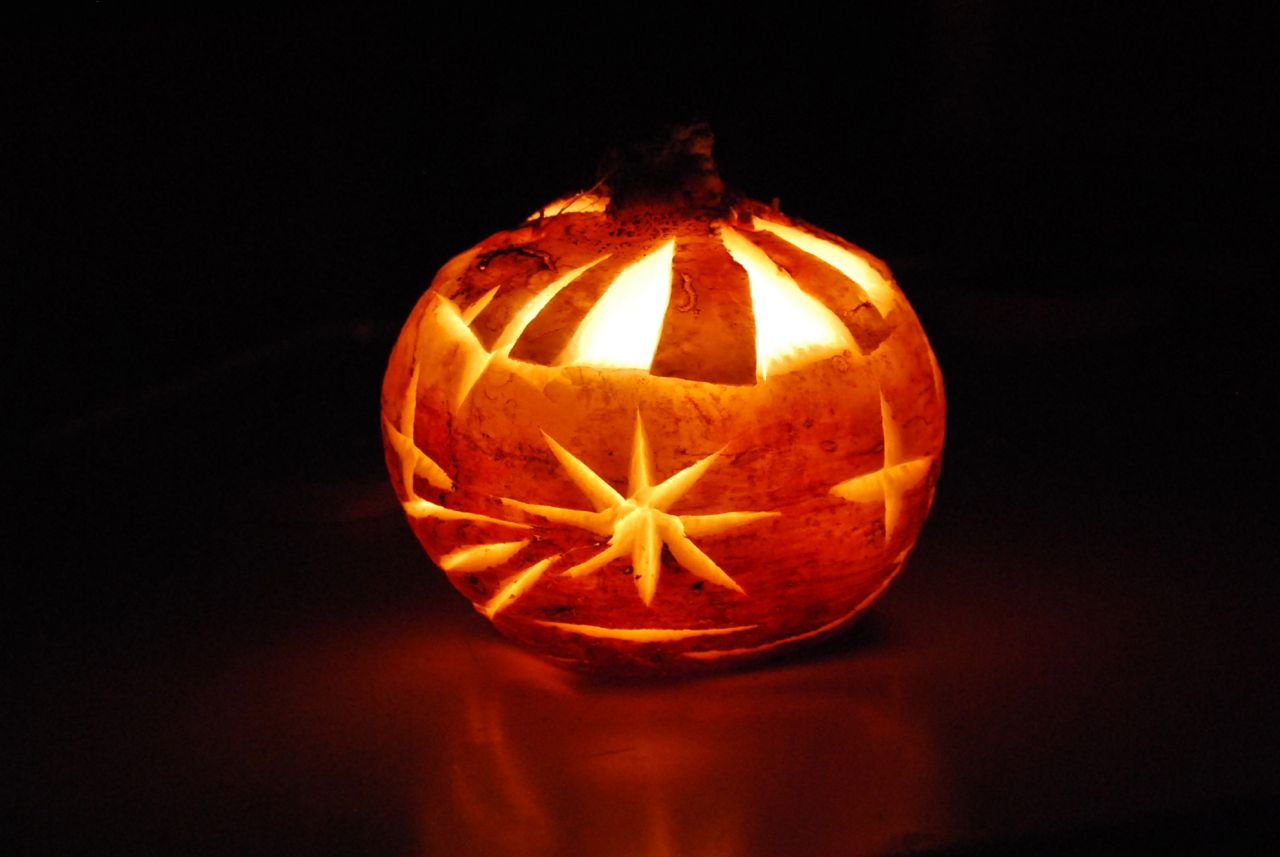
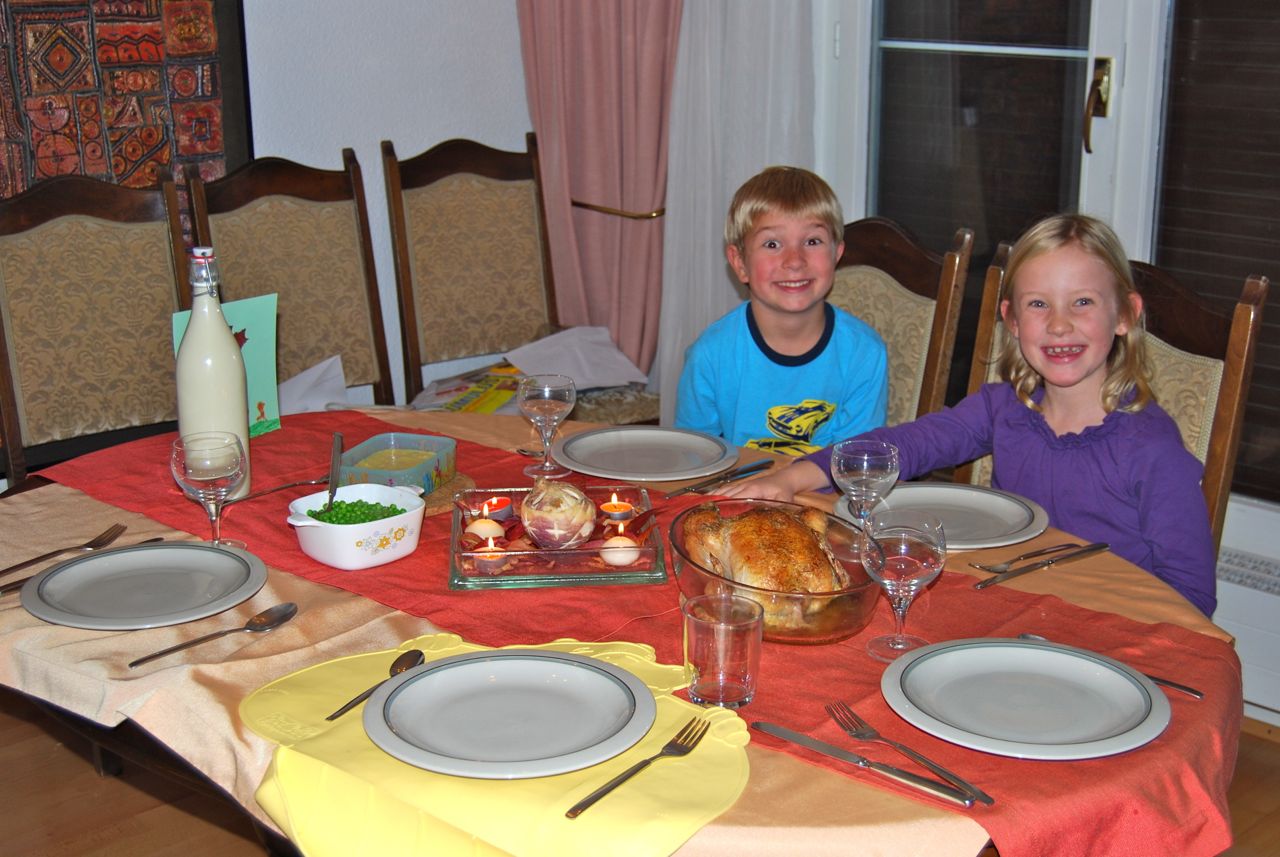
After the kids got home from school, they helped bake our Thanksgiving dessert – a Swiss fruit and custard torte. I carved the sugarbeet I had bought at the farm into a traditional Swiss räbeliechtli lantern, which we used as part of the centerpiece. The kids helped finish the centerpiece and set the table. When Joe walked in the door from work, our mini Thanksgiving dinner was ready. We had a chicken instead of a turkey, left-over mashed potatoes, and peas. But, compared to our typical light Swiss dinners, this was something special.

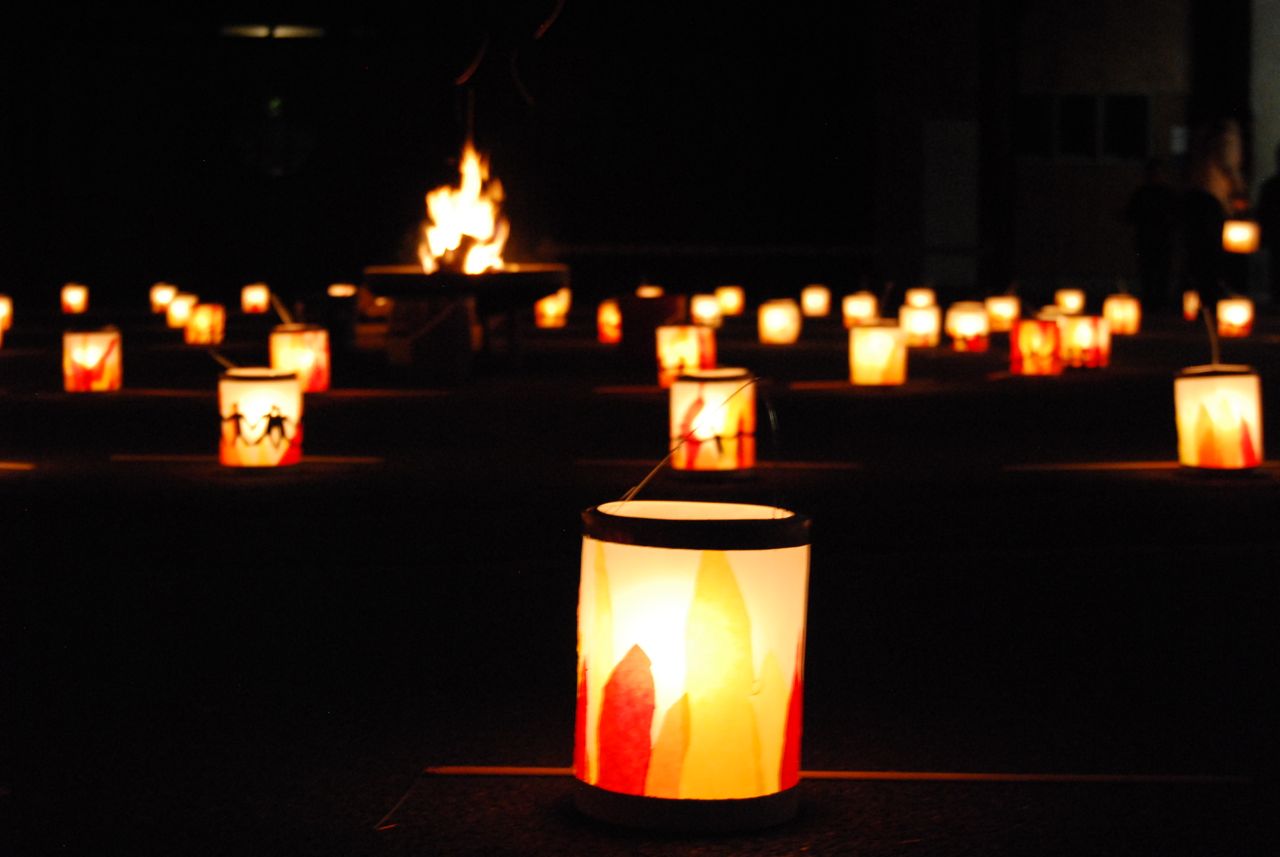
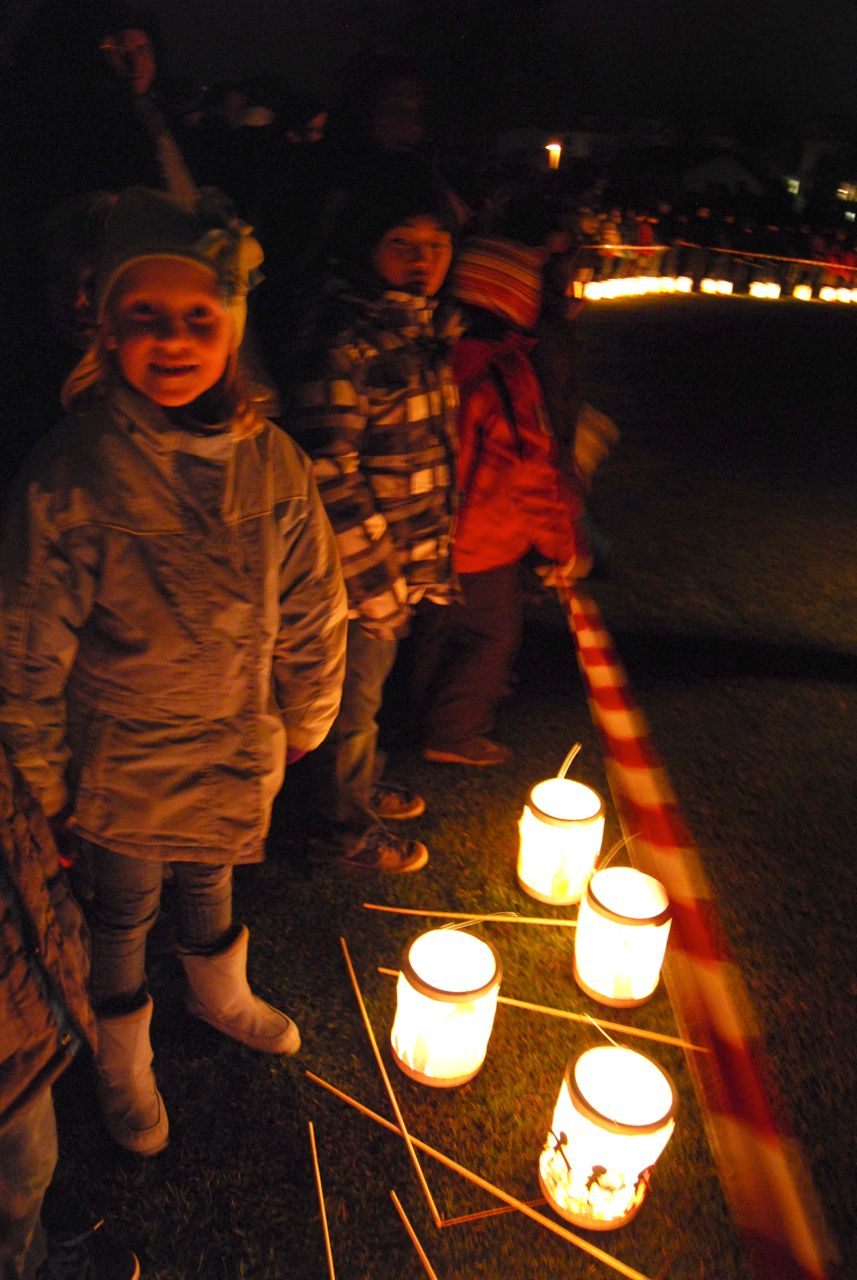
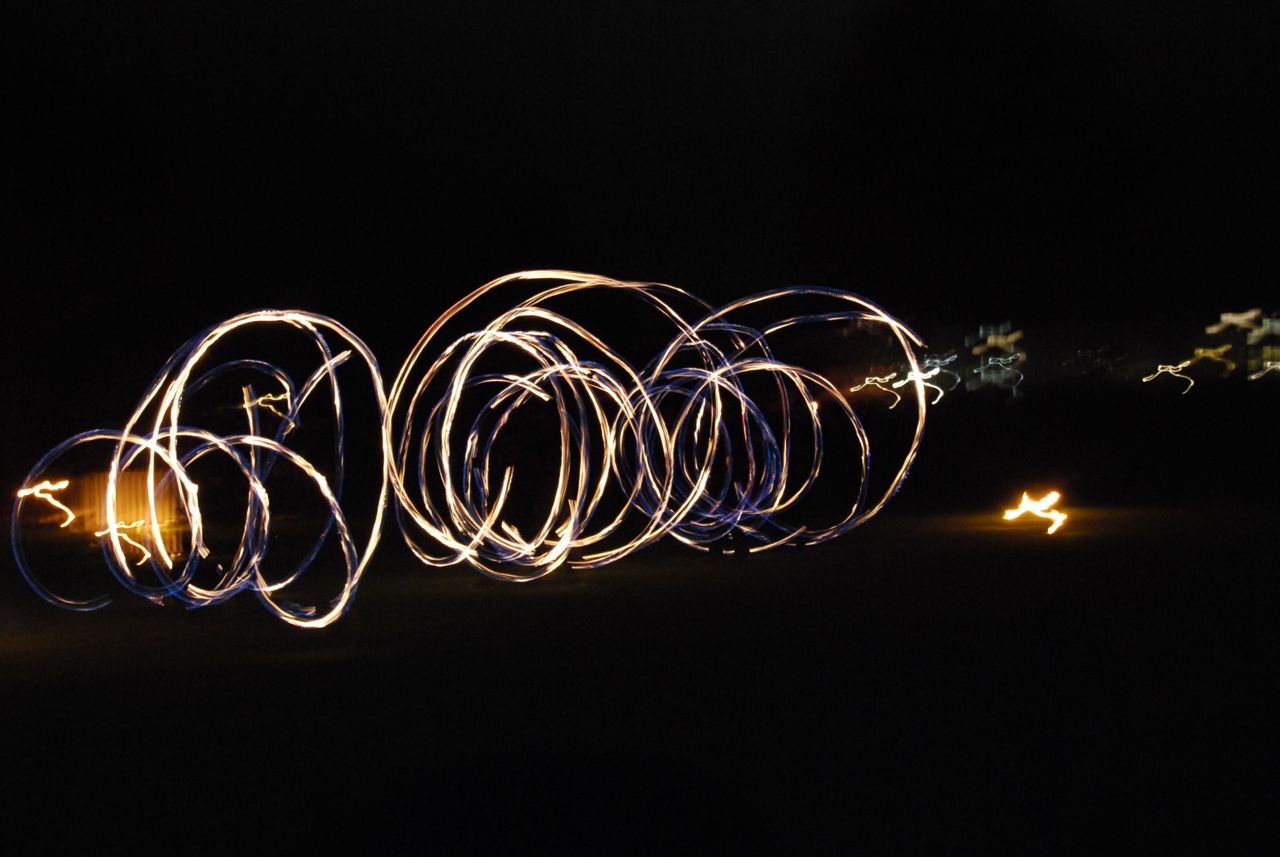
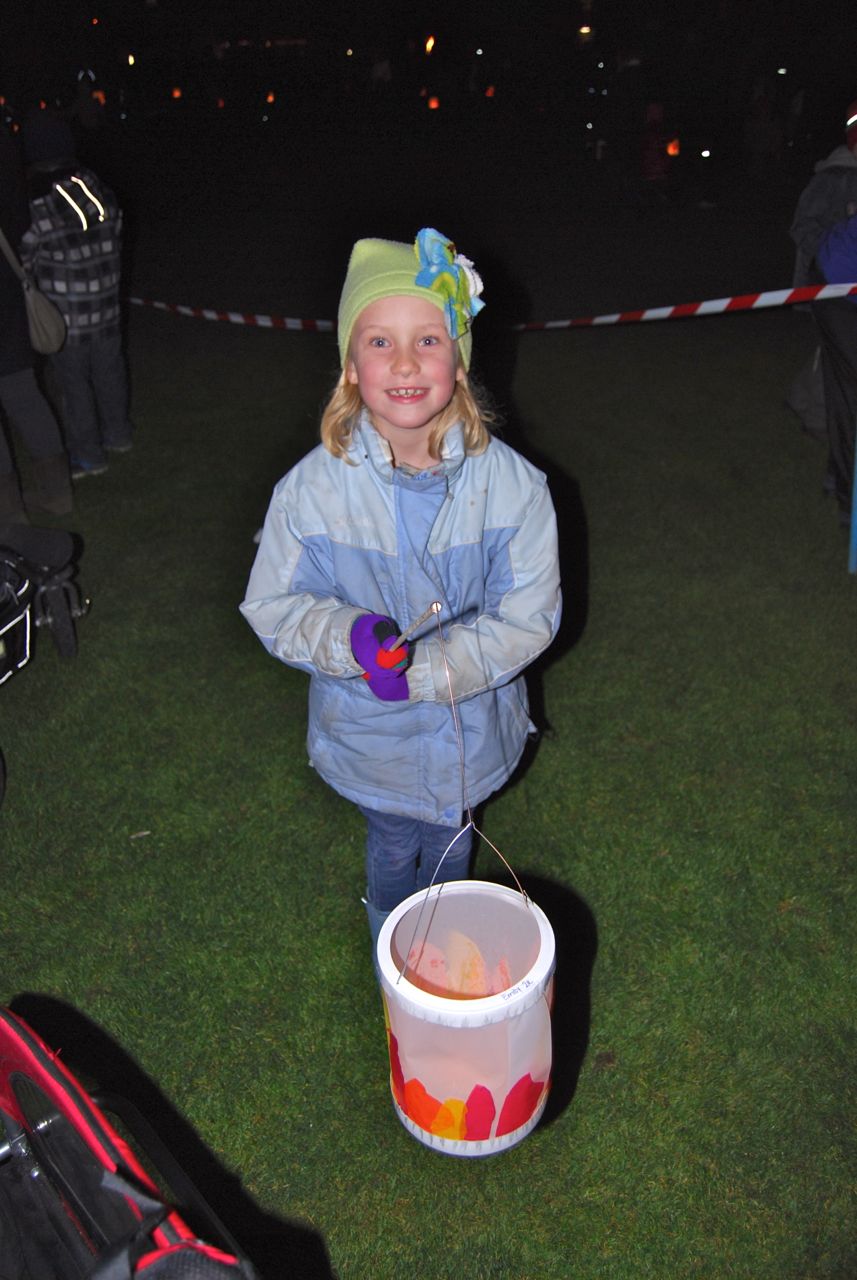
After dinner we went to Emily’s school for her Fall program. The theme was fire, and as we arrived there was a large campfire in the middle of about 100 lanterns the children had made, each lit with a candle. We laughed because at the Laternenacht celebration at our school back in Milwaukee, the lanterns were not allowed to be lit with a candle, only battery operated lights. But, here, the 1st and 2nd graders sang and danced among their lanterns, and then paraded with them to a field behind the school for a show by a fire performance squad. I don’t know how to describe this experience, but it involved fiery jump ropes, swinging buckets of fire, a fire juggler and, for the grand finale, a giant baton with fireworks shooting out of it.

We walked home in time to watch the second half of the packers game live. Coincidentally, the kids don’t have school tomorrow because of a teachers conference, so we let them stay up to watch the Packers beat the Lions. A great way to end our day!

Holiday or no holiday, there are still so many things we are thankful for…

  • people who are patient and kind when speaking German with me.
  • the warmest Fall in Bern in 150 years.
  • mountains and rivers and the fact that I can see them from my town.
  • a loving extended family, whose love is even more important from far away.
  • music, that enriches my life through my choir, my husband’s guitar, and even Swiss toddler songs.
  • three beautiful children who keep me on my toes.
  • a whole aisle of amazing chocolate at the grocery store.
  • and so much more…
Happy Thanksgiving!!
dsc_0005dsc_0009dsc_0020dsc_0028dsc_0031dsc_0038dsc_0040

Keeping it Local

It was another beautiful, sunny fall weekend in Switzerland. People here keep telling us this is not normal, and in fact this is the warmest November on record in Switzerland in over 100 years! Is it global warming? Who knows, but we are enjoying it anyway. Though the Swiss people are complaining that there isn’t any snow yet, as they are itching to start skiing. We stayed home this weekend and did our best to be like the locals.

On Saturday morning, we headed outside to bring our yard and our garden up to snuff. The Swiss are meticulous about their gardens, and ours has been sorely neglected for the past several weeks. So, while the kids played in the street with the neighbors, Joe and I raked leaves, swept walkways, turned over the garden and covered it for the winter. It felt great to dig our hands in the dirt one last time this season.

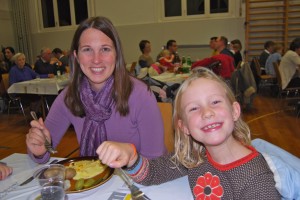
On Saturday night, we rewarded ourselves by going to the Chäs-Fescht or Cheese Festival that was put on by the local yodeling club (Jodlerklub Alpenrösli Münsingen). Talk about local! It was a lot like a church fish fry in Milwaukee, only instead of fried fish and french fries, they served all-you-can-eat Raclette and Fondue. It took place in a school gymnasium packed with families intermingled at long tables. There was an accordion trio playing traditional music. Unfortunately, there was no yodeling, as all the club members were serving food.

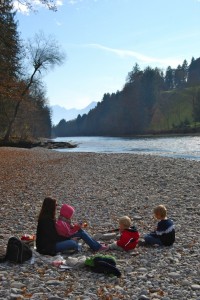
Sunday, we spent the morning basking in the sun by the Aare river. Henry worked up an appetite throwing rocks into the river. As we’ve mentioned before, people are allowed to build a fire anywhere they want in Switzerland. So, Joe built a nice fire on the rocks and we roasted hot dogs for lunch.

To finish off the weekend, I had a performance with the community choir I belong to. In Switzerland, there are a lot of community “clubs.” From sports clubs to cooking clubs, outdoors clubs, music groups, cultural clubs, etc… Once someone joins a club, they often stay committed to it for years and years. I joined the local choir, Kantorei Münsingen, and it has been a great way to meet people and get out of the house one night a week! We performed Antonio Caldara’s Missa Dolorosa at a service in honor of Totensontag or Sunday of the Dead. It is a traditional German holiday, similar to Memorial Day, honoring those who have passed away. The choir performed with a chamber ensemble and four soloists. I don’t have a recording of our performance yet, but you can hear a selection of the piece here.

Q & A – The Daily Grind

Most of our posts are about our weekend excursions and interesting aspects of our life abroad. But, that’s not really representative of our daily life. That’s because our daily life isn’t nearly as fun to write about. Joe goes to work, Emily and James go to school, and Henry and I stay home and take care of everything else. But, I’ve gotten some questions about our daily life, so here’s a little Q&A. If you have any other questions about Switzerland or life abroad, feel free to send them to us.

How DO you manage without a car? Are you basically house-bound or do you and Henry get out with the bike much? I am certainly not house-bound. Henry and I have gotten very adept at getting around on the bike. Every morning during the few hours that the older kids are at school, I plunk Henry in his trailer and off we go. Without a car and with the limited time we have, we are usually limited to our town. I have about a mile radius in which I live most of my days. But, within that distance is: 3 grocery stores, butcher shop, farm where we get our milk, café with toys for kids, playgrounds, library, music class, choir practice, restaurants, walking trails, the Aare river, train station, and more. There is actually quite a bit to explore in our little town, and I’m getting to know it really well. This morning, for example, we went to the third grocery store, stopped at a bakery (my first time at both of those places), and then went to the farm for milk, potatoes and a sugar beet (not sure what I’m going to do with that last one yet!) It’s pretty cold out, but a lot of people are still biking around here. If I don’t feel like biking, I can turn Henry’s trailer into a stroller and walk. And, if the weather is much worse, there is a bus stop about a block from our house that takes me around town.

Do you have to go grocery shopping almost every day? The main items we need to buy on a regular basis are bread and milk. The bread here is all fresh, bakery bread that lasts about 36 hours before turning rock hard. And the milk we get at the farm is sold in liters, not gallons, and it isn’t pasteurized. So, I do a big grocery trip about twice a week. (“Big” being only whatever I can carry home in the back of the bike trailer.) We go to the farm every other day, and Joe often stops somewhere on his way home from work to pick up some fresh bread or other small items.

You said the kids were watching Spongebob Schweitzmer or something, so does that mean you have a TV, or were they watching online? First, in German, it’s called Spongebob Schwamkopf, which translates as “Spongebob Sponge Head” (“Spongebob Square Pants” has too many syllables in German.) Thanks to the internet and Joe’s savviness with technology, we have a whole collection of ways to watch TV. We have a regular TV that shows Swiss/German programming. The older kids like to watch Nickelodeon in German, but otherwise we really don’t use it. Then, we have several ways of watching English programming, some that are on the TV and some on our computers over the internet. Henry’s current favorite show is Dinosaur Train. Joe bought a special package from Yahoo! Sports so he can watch NFL games, especially the Packers. Sometimes it’s nice to turn on a favorite show and forget that I am in a foreign country for a while.

Losing Ourselves in Paris

By the Eiffel TowerWhen Joe and I travel together, his job is always to navigate because he likes knowing where we are and he’s really good at it. Whereas I am happy to follow along blissfully unaware of which direction we are going. So, for my mother-daughter weekend in Paris, something I have been looking forward to for a long time, I turned on my navigation skills, only to be reminded that they are not one of my stong suits. We arrived in Paris at around 7:30pm on Friday night, and I found the Metro (Paris underground) to take us to our hotel. We made the right connections and arrived at the stop that was supposed to be “steps from the hotel.” But I failed to consult the last page of my meticulously printed directions, and simply started walking around looking for the hotel. We actually went right past it and carried our luggage all the way around a very large circular plaza. When we started passing things for the second time, I dug out my pages, reoriented myself and found the hotel about 30 feet from where we had started.

We hadn’t eaten much, so after dropping our things at the hotel, we decided to have a Paris-style dinner. At 8:30pm, which is normally Emily’s bed time, we were sitting in a café eating dinner and having a glass of wine. Café culture in Paris is deeply ingrained. There are cafés on every street, and Parisians go to their local cafés to pick up an espresso and croissant for breakfast, have a late leisurely dinner, or sit and enjoy a relaxing, afternoon drink. We did our best to take part in the café culture and try out French food. We had croissants at our neighborhood café for breakfast, we sampled crêpes at a café on the Île St. Louis, we had a late lunch in a café in the Latin Quarter, and finally a light dinner at a café near the Arc de Triomphe.

In between cafés, we saw a lot of landmarks and snapped a lot of pictures. We started at the cathedral of Notre Dame on the Île de la Cité. We walked much of the main island and the Latin Quarter on the Left bank of the river Seine. We took the Metro to the Eiffel Tower and braved the crowds to get a few prize shots, though we didn’t wait in the insanely long lines to ride to the top. Instead, we headed to the much shorter line at the Montparnasse Tower for a beautiful view of the city and the glowing Eiffel Tower at twilight. Lastly, we viewed the Arc de Triomphe, after which we got completely lost trying to find our hotel again, which didn’t look that far away on the map. After making at least one wrong turn and ending up in alternately sketchy areas and fancy areas, I finally caved and we took a cab.

That was all in one day! So, on Sunday we took a decidedly slower pace. We spent the morning in the Louvre museum, and again found ourselves completely lost. To my credit, that place is humongous and confusing. Like a labyrinth completely filled with incredible art. Once we abandoned the audio guides we had because we couldn’t find the things they were talking about, we just walked around and enjoyed the majesty of the place. Once, we were turned away at a stairwell, so we went a different direction and ran right into the Venus de Milo! We also came upon several pieces completely by chance that Emily recognized from the Louvre’s website (which has a great set of videos and explanations for children.) If you’re going to get lost, the Louvre is a great place to do it!

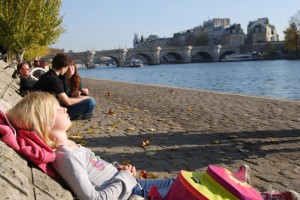
After two hours in the Louvre and lunch at a café, we were pretty tired from sensory overload. So, instead of seeing Sacre Coeur in Montmartre (Plan A) or taking a boat ride on the Seine (Plan B), Emily opted for Plan C — head to the right bank of the river and lay in the sun with all the Parisians on a Sunday afternoon. There was a street musician playing accordian on the next bridge and leaves falling from the trees above us. It was a beautiful way to end our weekend in Paris.

We spent my last Euros to ride the carousel in front of the Hôtel de Ville. Then we got on the Metro to our train station, where we got lost one more time trying to find the TGV trains, and then trying to find platform 23 when all the platforms seemed to be labeled with letters! I pannicked for a while, thinking we were going to miss our train, but we are now safely on our way back to Switzerland. Au revoir Paris!

Don’t miss the pictures in our gallery: Weekend in Paris.

The Simple Life

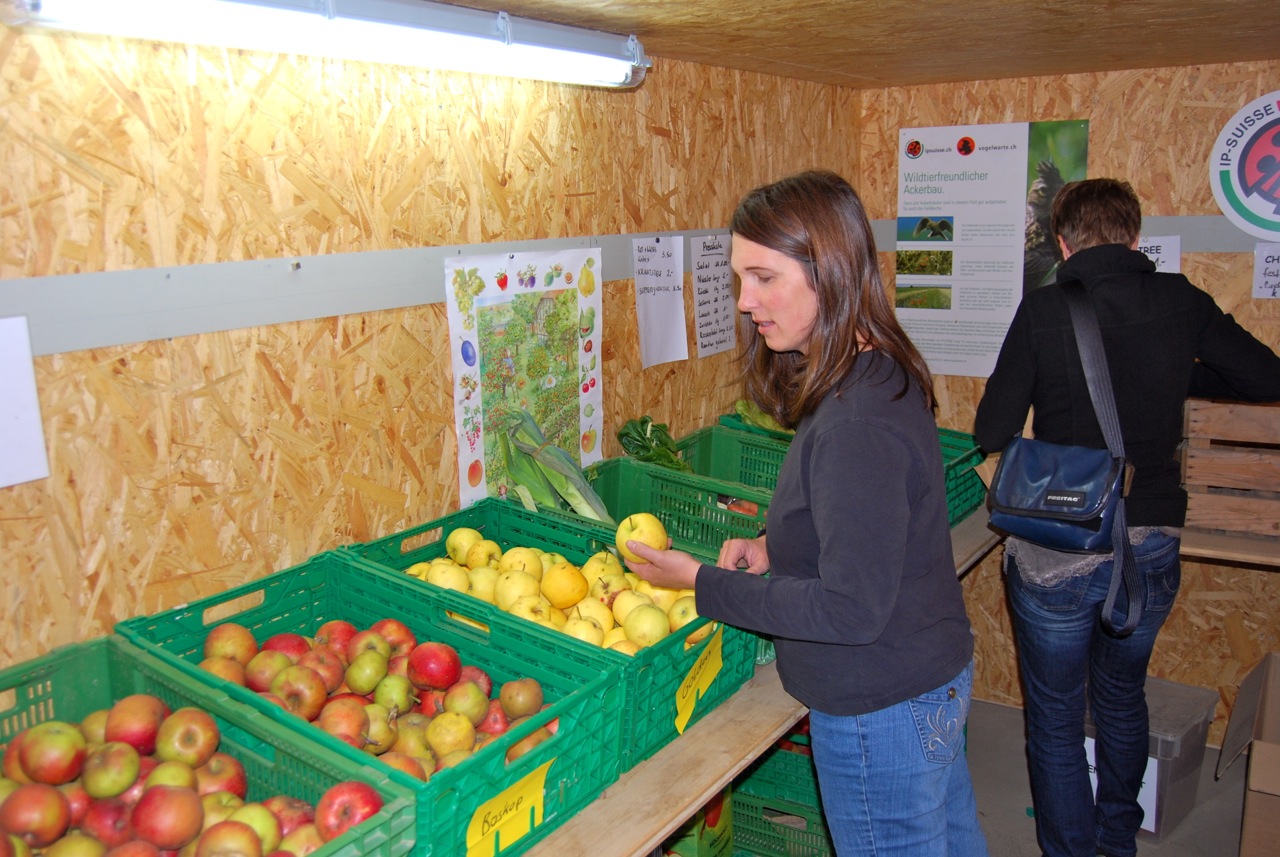
When we finally realized we were moving to Switzerland, one of the things I was looking forward to was the fresh food. We’ve talked about what the Swiss eat, but I’m not really talking about that. When you go to a Swiss grocery store, most of the items that you see in the dairy and produce section were probably produced within a few kilometers of where you are buying them. Preservatives are uncommon here. Yogurt and milk usually come from local dairies. Potatoes and apples are also usually local.

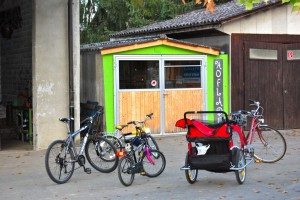
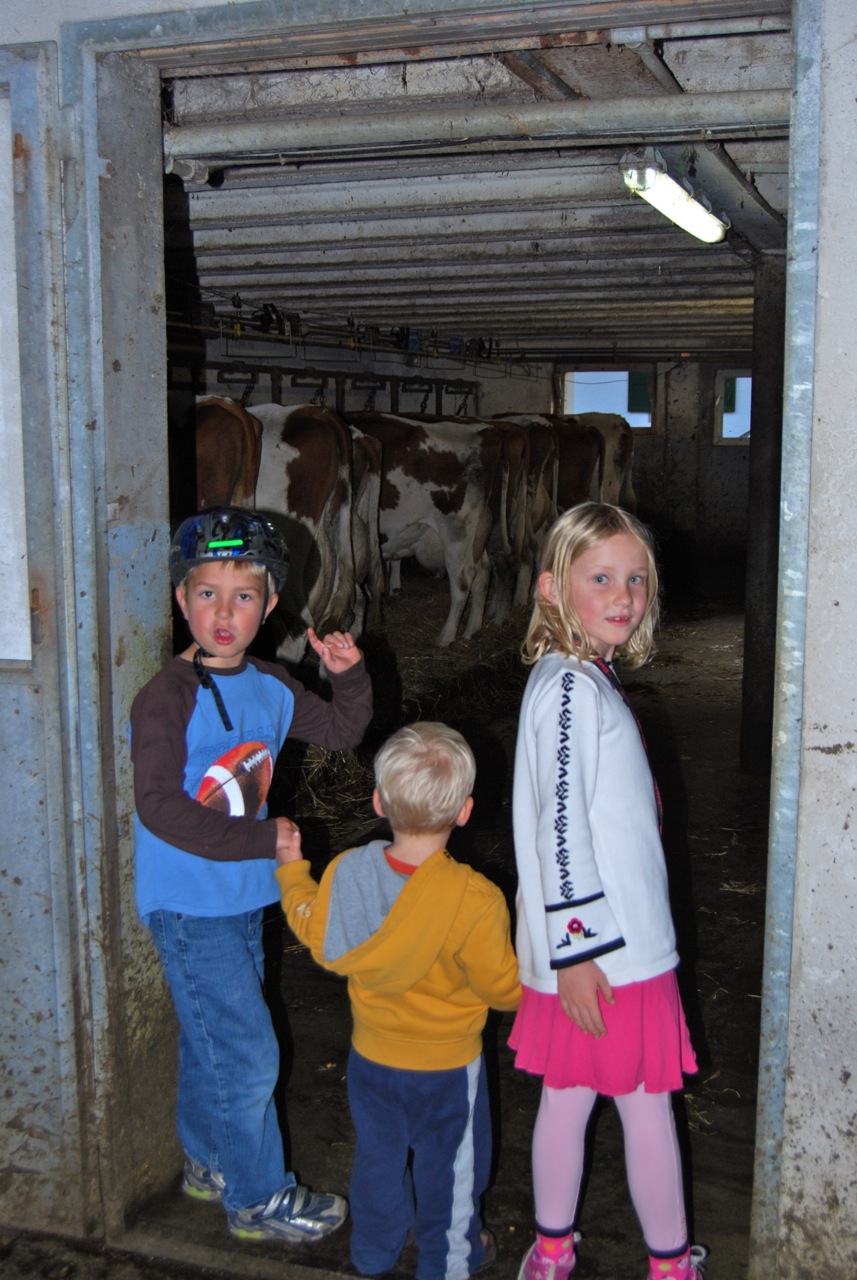
Well when it comes to getting it fresh, we got more than we bargained for. Starting in late Summer, we had started taking the kids on bike rides throughout the town to get to know it better, and to enjoy the scenery. Fairly quickly we stumbled across a farm a few blocks down from us. We knew one must be close, by the smell if nothing else, but when we finally found it, we noticed a sign out front that indicated it sold some simple farm items: milk, eggs, potatoes, apples, etc.

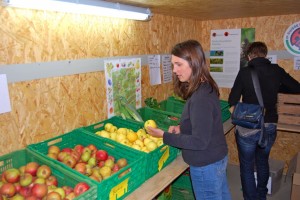
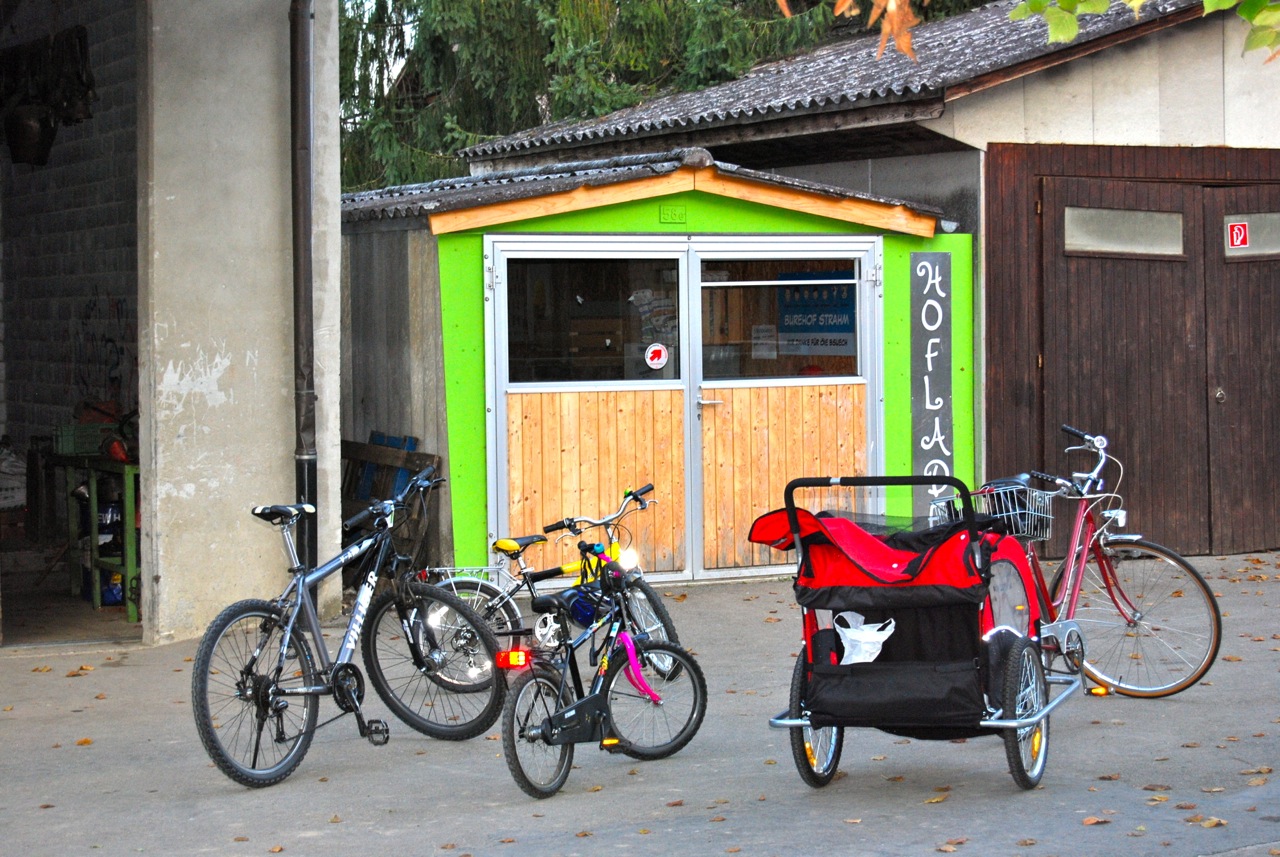
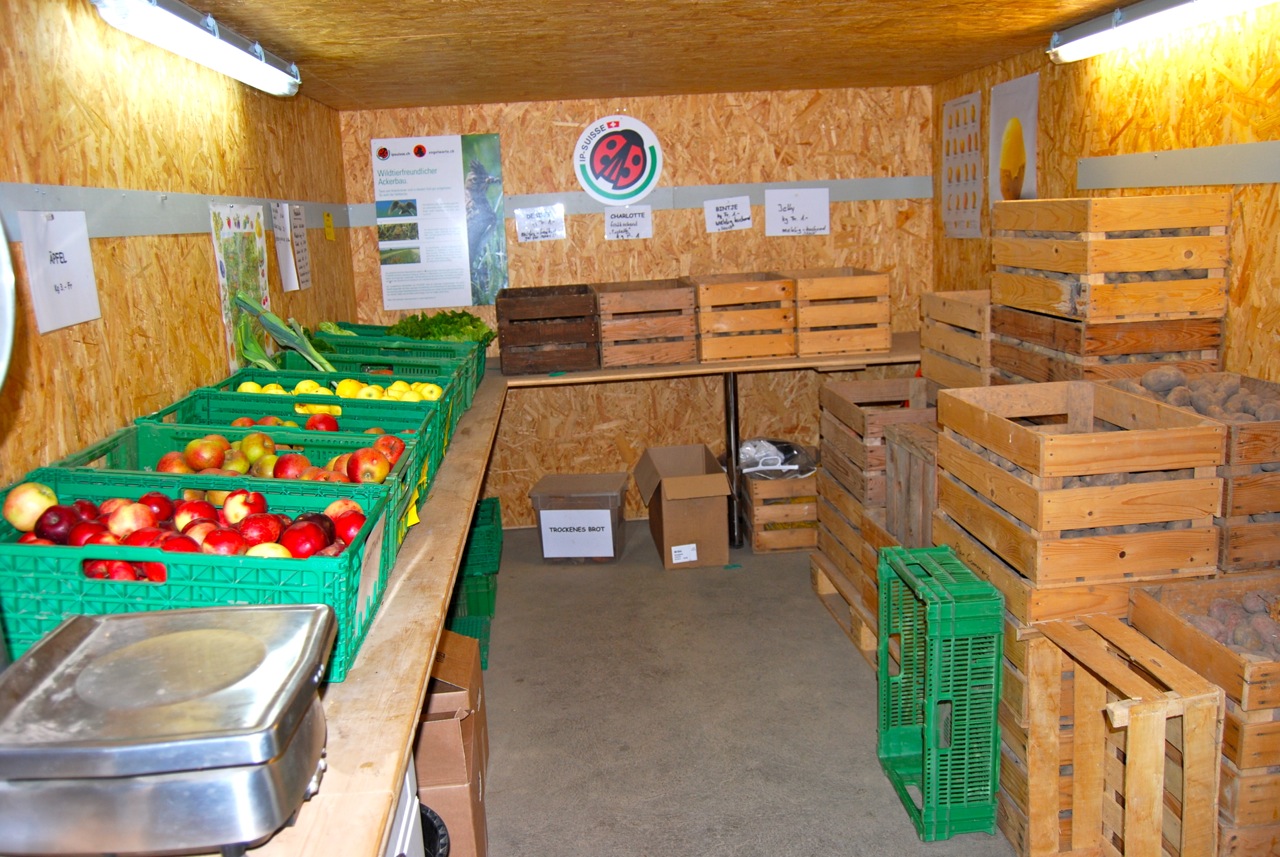
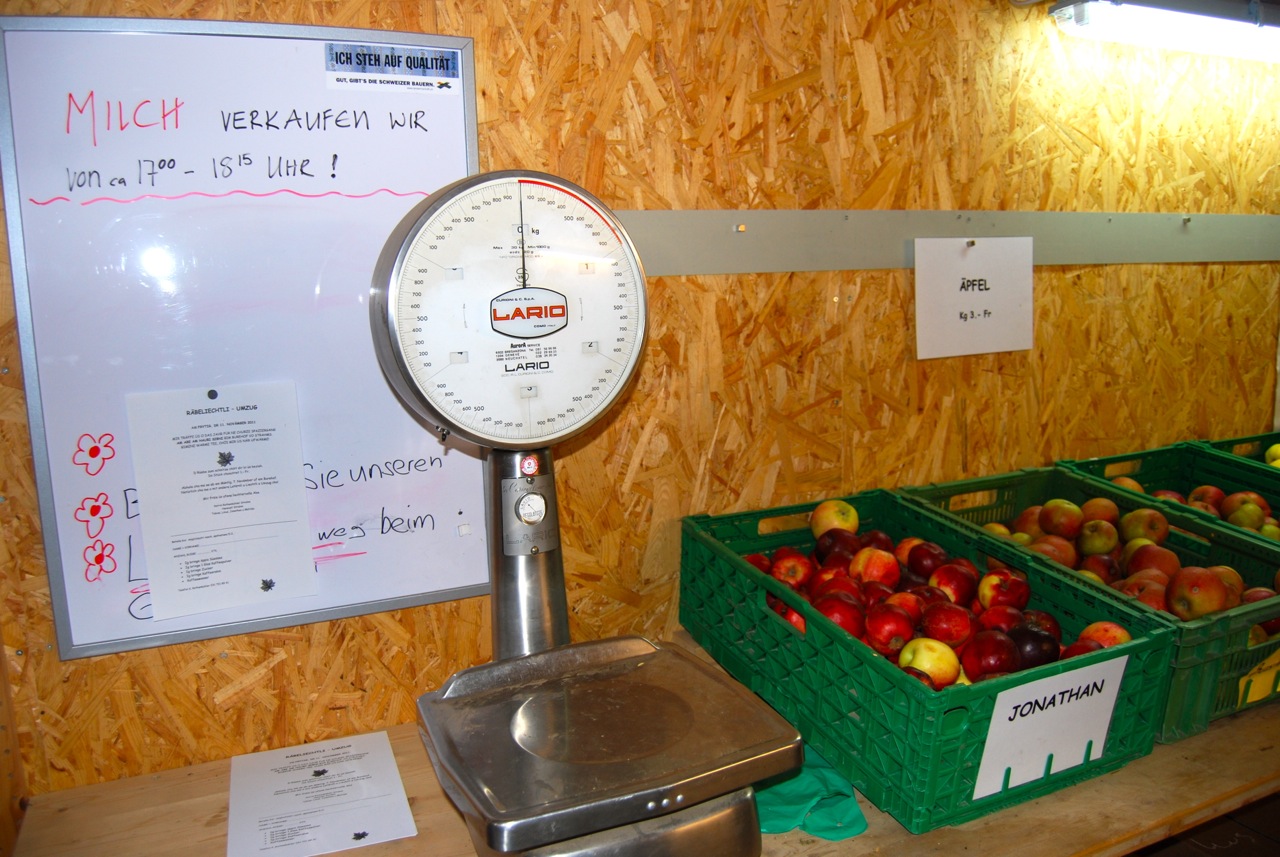
Farm shopWhen we finally looked into it seriously, we found a small stand behind the barn, off the road, that housed their “for-sale” goods. There were baskets of apples, potatoes, various fresh vegetables. There was also a refrigerator filled with eggs. There were also some jarred items like honey, and grape jelly. And in the corner is a scale to weigh your produce, and a small money box that you leave your payment in. There’s no person guarding the stand. No one checks your math. No one even knows if you really even paid.

Buying applesWe went and bought some items one day: potatoes and eggs. The potatoes were labeled by their type (a classification of which I was wholly unaware… they all looked the same to me). Eggs were mixed brown and white, and I believe we met some of the generous chickens while we were there. We wanted to buy milk, and it seemed they had it for sale, but we couldn’t find where it was.

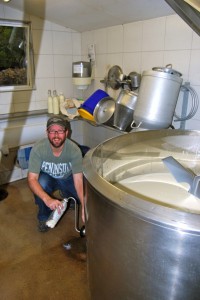
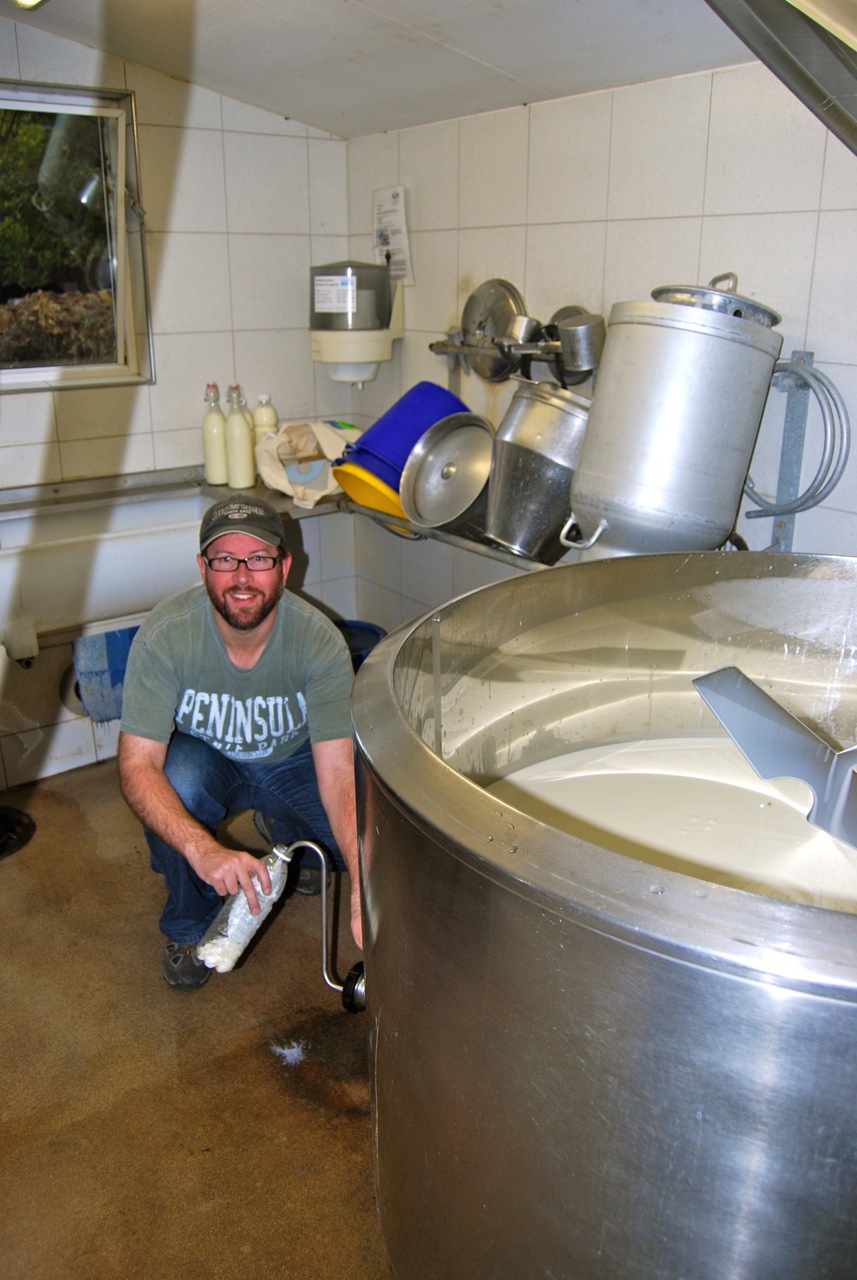
Getting fresh milkAs we were leaving the farm one day, the farmer’s wife was around, so we asked her about milk. She asked us, in German, how many bottles we had. We looked at each other and thought, “bottles?” She smiled, went into the house and brought out a 1.5L bottle, freshly washed. She took us into the milk room which contained a huge stainless steel vat of milk, and explained that we can fill bottles ourselves anytime we want. Just leave payment in the stand for each liter.

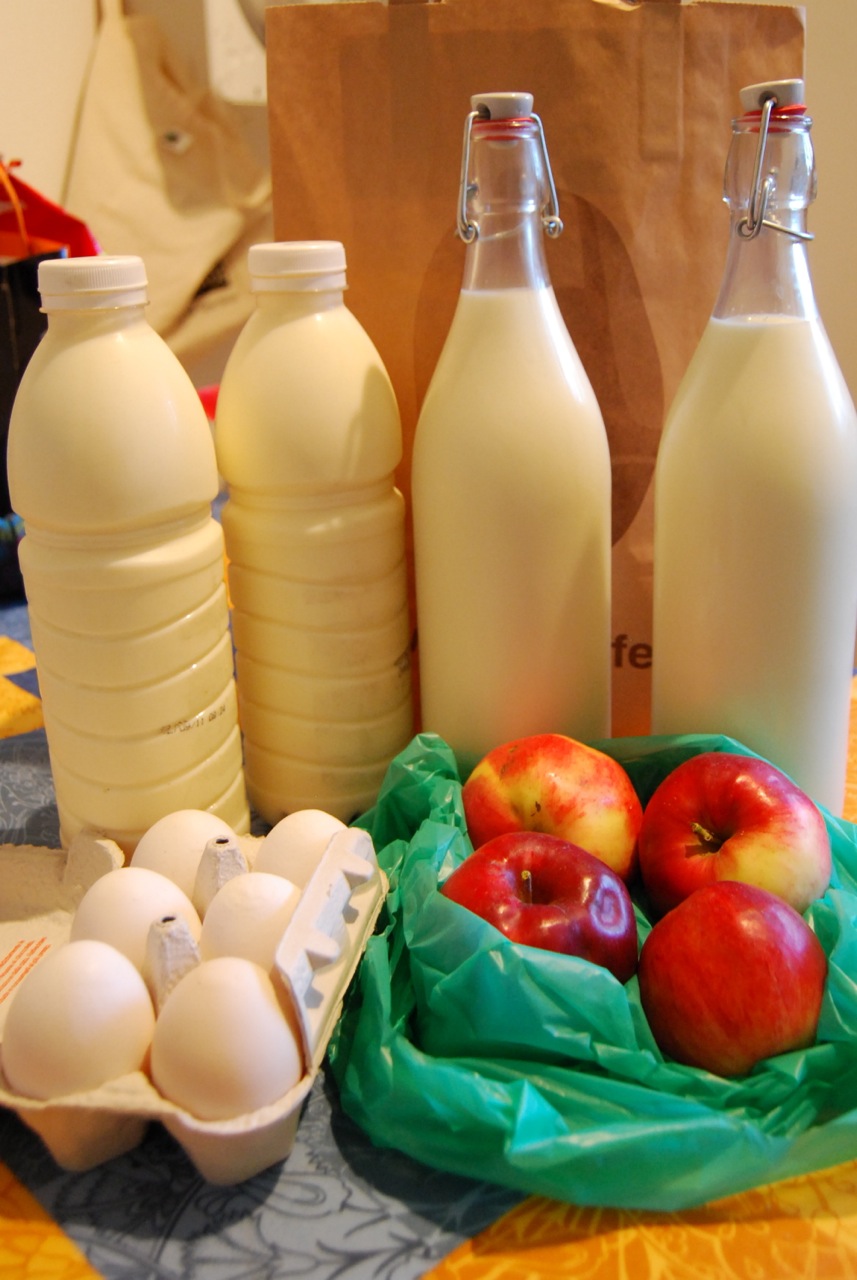
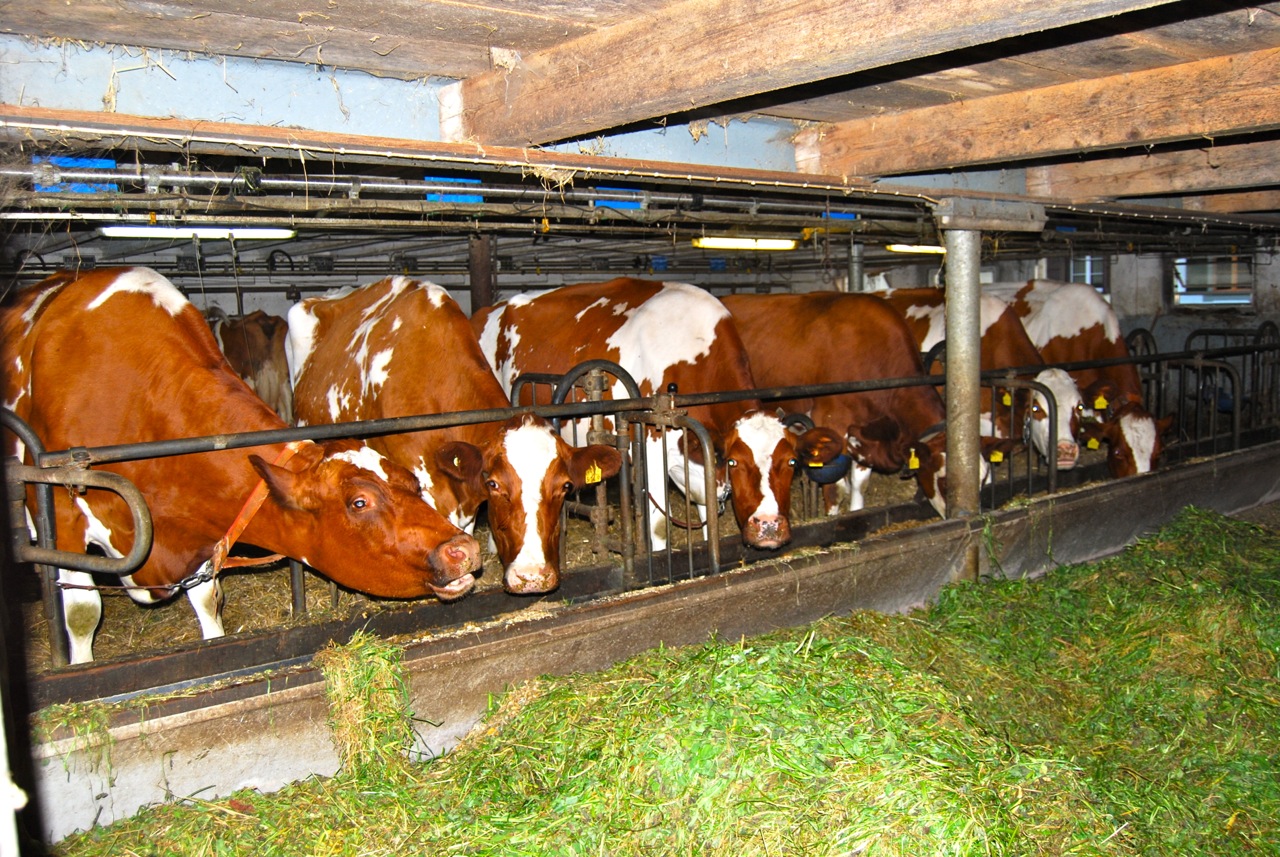
Groceries from the farmSo now, about two or three times a week, we head back to the farm, wave to the cows, chat with the farmer, his wife, and mother, get our basics (milk, eggs, apples, potatoes), check on anything new they have that day, pay for our groceries and leave. The milk has never tasted so good. If we want cream for our coffee, we just pour it off the top of the milk in the morning. And better than that, I can check on the cows anytime I want, just to make sure they’re doing fine.

dsc_0756dsc_0850dsc_0852dsc_0854dsc_0856dsc_0858dsc_0859dsc_0860

The Honeymoon is Over

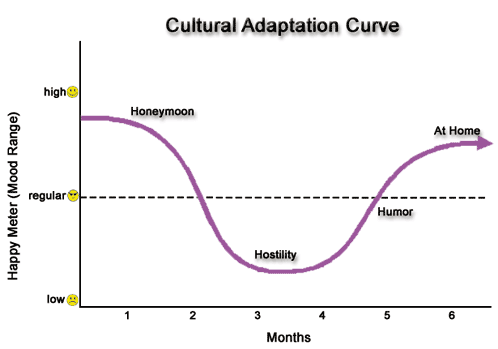
culture_shock_curve_newIn the world of international education, which I worked in just after college about 10 years ago, there is a well-known graph called the “Cultural Adaptation Curve.” We used it to help prepare college students for 5-9 month long study abroad experiences. It is also well known in the world of expatriates, which we are just dabbling in at the moment. It’s a little awkward at times, actually. Our length of stay of one year is too long to be considered a “visitor” but it is too short to be taken seriously by the true expatriates. So we fall somewhere in the middle, traveling a lot to take advantage of the time we have while also trying to establish a life that we can sustain for a full year. But we can’t grow roots fast enough or deep enough to ever really feel stable.

Which brings me back to the Cultural Adaptation Curve. It looks like the letter “U” starting off high with what is referred to as the Honeymoon stage. It is sometimes also called the Tourist stage when everything is new and exciting, and I do mean everything. Going grocery shopping is novel because of all the new foods and different prices (i.e. more expensive). If I managed to have a conversation with someone, I was thrilled. Just waking up in the morning, I would think to myself, “Holy crap, I’m in Switzerland!”

As you might expect, this level of excitement can’t last forever — although we have managed to push it pretty far. The timing of the curve across the bottom is quite variable depending on your length of stay, personality, etc. As of yesterday, we have been in Switzerland for 100 days (we’ve been in Europe for 119 days), which is a little mind-blowing in itself. And all the little things that used to be exciting just aren’t so exciting anymore.

Now, don’t get me wrong, I am not complaining! I still recognize that we are in the middle of a once-in-a-lifetime experience, and I am making the most of it. But, as the little things about Switzerland start to lose some of their excitement, we also start missing some of the little things from back home. A few times in recent weeks, I found myself in circumstances that would be much easier to manage if I had a car. I am craving slightly deeper conversations with people in a language I feel comfortable with. Just today, after a week of cooking things the kids complained about, I missed the convenience of just grabbing a box of Mac n Cheese and eating a familiar meal without any whining. Joe mentioned on Monday night that he missed being able to talk to his coworkers about the Packers and American football, and having them know what he is talking about.

Some people, when they leave the Honeymoon stage, fall rapidly into “hostility” as the graph suggests. They often feel frustrated, depressed, lonely, and upset. We certainly are not there, nor do I think we will fall quite so low (though I have met a couple of people who are clearly in that stage, and it’s not pretty.) We are merely leaving the extreme highs of the past few months for a more realistic experience of the country and culture we are in. It’s kind of like ordering banana flambé in a fancy restaurant. It’s exciting as they dim the lights and light it on fire mesmerizing you with the flickering flames. But, eventually you have to blow out the fire and turn on the lights in order to actually taste and appreciate the whole dish.